

Dedicated Server Rental
A dedicated server is a physical machine consisting of tangible hardware that runs an operating system. It is commonly used to host websites, databases, email services, and game servers. Located in a data center, it is a hardware-based computing system designed to meet the IT needs of businesses and organizations. Each dedicated server comes with its own processor, memory, storage, and other components.
How Does a Dedicated Server Work?
Dedicated servers are hosted in data centers or on-premise server rooms. They typically serve multiple users or clients through network access. Each server comes with a pre-installed operating system and can host various applications and services. Users access the server via network connections using web browsers or terminal tools such as SSH.
View Packages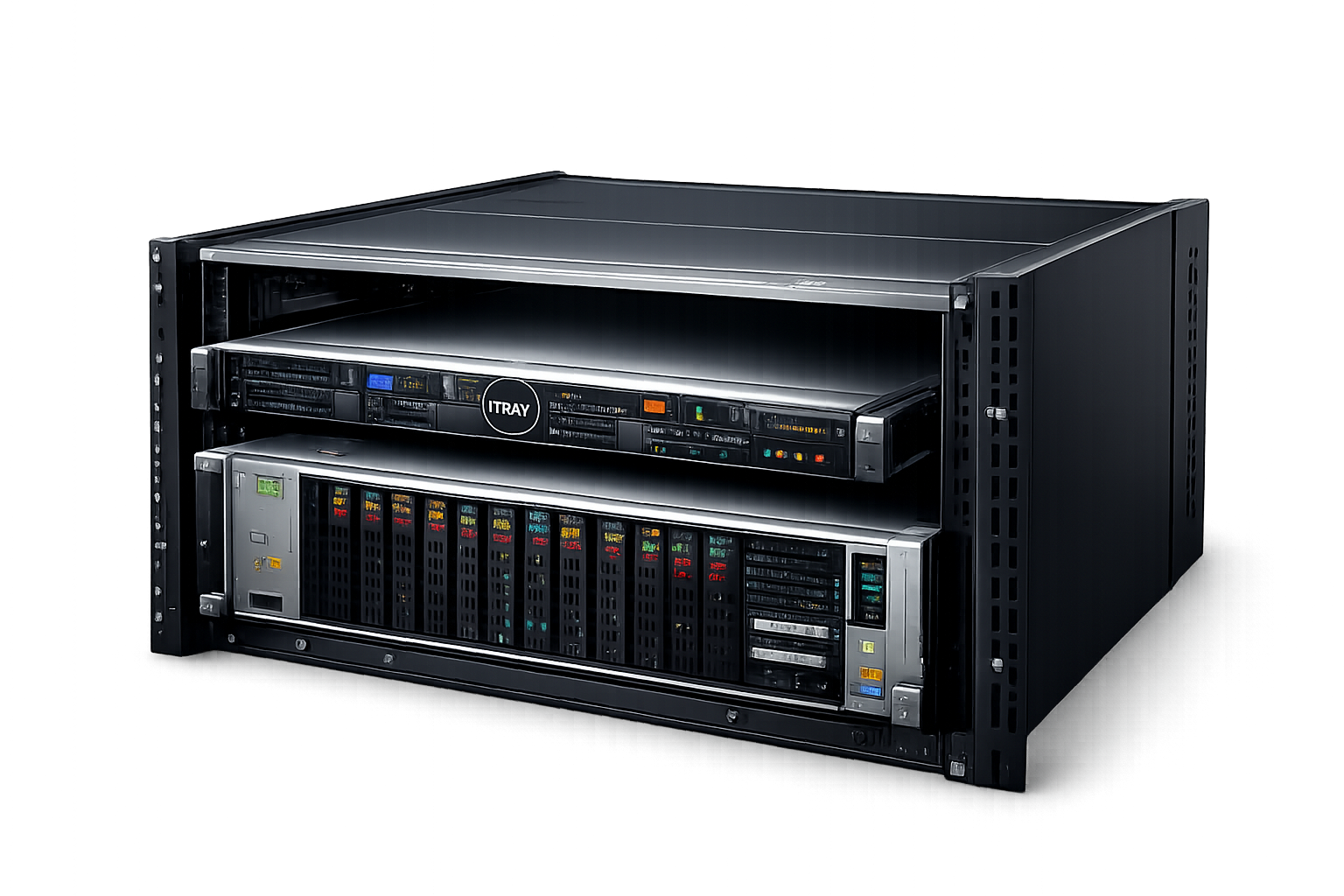
Dedicated Server Packages
Dedicated servers are ideal for organizations with specific performance and security needs.
E5-2697v2
RAM
SSD
Port
Location
E5-2680v4
RAM
SSD
Port
Location
E5-2699v4
RAM
SSD
Port
Location
Dedicated Server Advantages
Dedicated servers are preferred by businesses based on specific requirements. Factors such as high performance, customization, and security help dedicated servers remain a popular choice. The main advantages of using a dedicated server include:
• Users have full control over hardware and software, allowing complete customization based on their specific needs.
• Compared to virtual servers, dedicated servers can deliver significantly higher performance.
• Dedicated servers can be more secure than virtual servers since you maintain full control over both hardware and software.
• Dedicated servers typically offer larger storage capacity compared to virtual server solutions.
When Should You Buy a Dedicated Server?
Dedicated servers are ideal for organizations with specific requirements. They are especially suitable for businesses that require high security, custom configurations, or rely heavily on hardware resources.
Dedicated servers are also well-suited for hosting high-performance applications or scenarios where scalability needs are more predictable and stable. In general, buying a dedicated server is an effective choice in the following cases:
• Applications requiring intensive processing power and data handling, such as big data analytics, artificial intelligence, and machine learning
• Situations where sensitive data is processed and a high level of security is critical
• Applications that require custom hardware configurations and expandability
While virtual servers offer limited customization, dedicated servers allow full control over the operating system, hardware, and software infrastructure tailored entirely to your needs.
How to Purchase a Dedicated Server?
There are several important factors to consider when you buy a dedicated server. It is crucial to choose a server that offers performance aligned with your business needs, while ensuring proper protection for data security.
It is also important to receive support from the provider for server installation, maintenance, and troubleshooting. Backup options should be reviewed to prevent data loss, and the purchase and operational costs of the dedicated server should align with your budget.
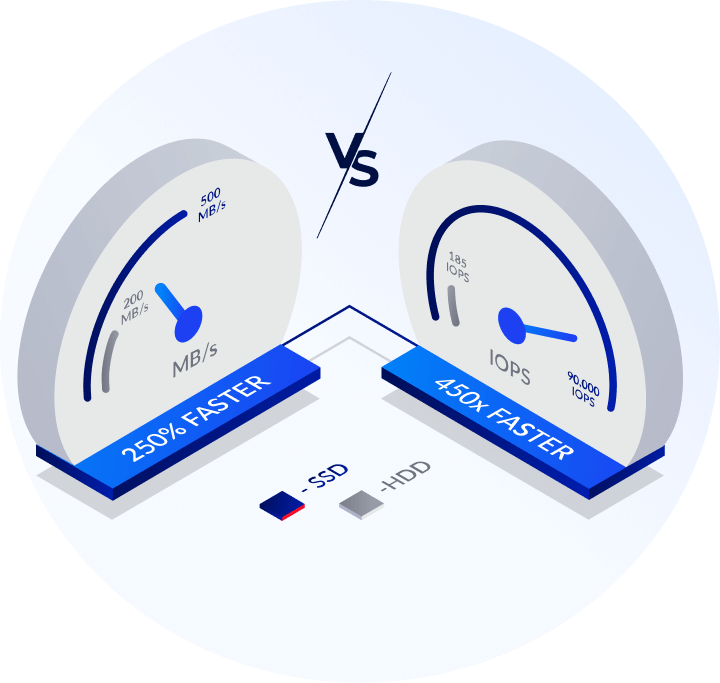
What Should You Consider When Buying a Dedicated Server?
When buying a dedicated server, several key factors should be considered. Ensuring the server delivers performance suitable for your business requirements is essential, along with properly securing the server to protect your data.
You should also ensure that your provider offers support for installation, maintenance, and issue resolution. Reviewing backup options to prevent data loss is critical, and the total cost of ownership—including purchase and operational costs—should fit within your budget.
What Are the Differences Between Virtual Servers and Dedicated Servers?
Virtual servers are created by virtualizing physical servers, while dedicated servers run directly on physical hardware. Some of the key differences between these two server types include:
|
Feature |
Virtual Server | Dedicated Server |
|
Hardware Sharing |
Multiple virtual servers run on a single physical server. |
Each server is allocated dedicated hardware. |
|
Performance |
Offers lower performance compared to dedicated servers. |
Provides higher performance and processing power. |
|
Security |
The virtualization layer may introduce additional security risks. |
Offers higher security and greater control. |
|
Cost |
More cost-effective. |
More expensive. |
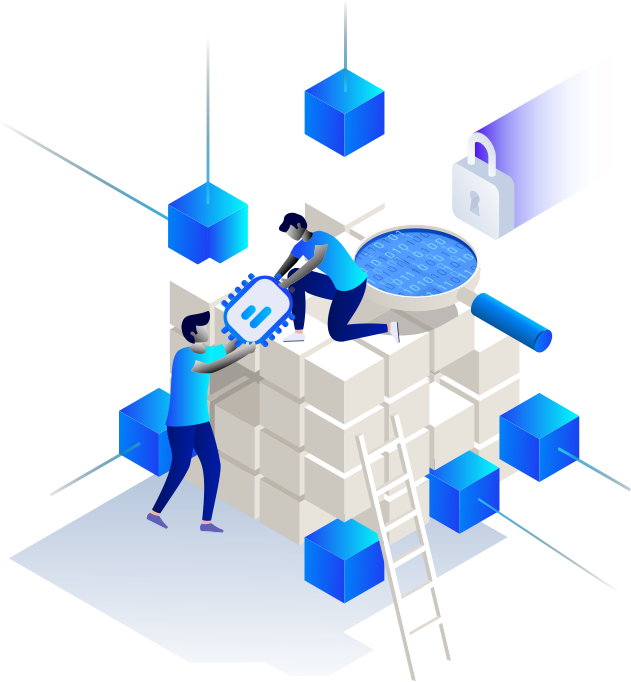
How Is a Dedicated Server Set Up?
Dedicated server installation and configuration can be a complex process. However, HostingTRY provides 24/7 support for all its customers and also offers installation and configuration assistance for dedicated servers rented by its clients.
The basic steps for dedicated server installation and configuration are as follows:
• Choosing server hardware that fits your specific needs is essential.
• Selecting a suitable operating system for the server, which will be installed automatically.
• Implementing security measures to protect your server, or requesting assistance via a support ticket.
• Installing and configuring the required software and services based on the purpose of your server.
• Performing regular backups to prevent data loss and, when necessary, contacting support for data recovery strategies.
What Is the Cost of Buying or Renting a Dedicated Server?
Buying or renting a dedicated server involves costs that vary depending on several factors, and for many individuals or businesses, these costs can be a major consideration. At this point, HostingTRY steps in by offering services at competitive and affordable prices.
Dedicated server purchase or rental costs may include:
• The cost of the server itself, including the processor, memory, storage, and other components.
• Costs required for regular maintenance and system updates.
• Data center colocation or hosting fees for housing the physical server.
• Power supply and internet connectivity expenses.
• Software licensing costs.
Customers who choose our company can receive high-quality server services at the lowest possible costs.
Frequently Asked Questions About Dedicated Servers
Clear and straightforward answers to the most common questions about our dedicated server services
This provides greater control, performance, and flexibility. Dedicated server hardware typically consists of the following core components:
• Motherboard
• Processor (CPU)
• Memory (RAM)
• Storage
• Network Adapter
• Power Supply
Hardware specifications and application requirements play a key role in determining which operating system should be chosen.
• Full backup
• Incremental backup
• Differential backup
Backups can be stored on local storage devices or remote locations such as cloud storage. The recovery process varies depending on the backup type and the method used.
• Use strong passwords and authentication methods.
• Keep server software up to date.
• Use firewall and antivirus solutions.
• Monitor and control login and access activities.
• Create a reliable data backup and recovery plan.